
A Complete List of Foods That Boost GLP-1 Hormone Levels Naturally
Dr. Chomba Chuma
MD & Founder, GutSlim
Discover science-backed foods that boost GLP-1 hormone naturally. Learn how to support your metabolism and appetite with our expert guide to gut-friendly foods.
A Complete List of Foods That Boost GLP-1 Hormone Levels Naturally
Understanding the Natural GLP-1 Mechanism
Glucagon-like peptide-1, commonly referred to as GLP-1, is a fascinating hormone produced in the gut that plays a significant role in how our bodies process energy and regulate appetite. Many individuals seek information regarding foods that boost GLP-1 hormone list options because they are interested in supporting their metabolic health through natural dietary choices. As a medical doctor focusing on gut-centered wellness, I often explain to my patients that this hormone acts as a messenger between the digestive system and the brain to communicate fullness. When we consume specific nutrient-dense foods, we stimulate the L-cells in our intestines, which then release GLP-1 into the bloodstream to help manage hunger signals and improve glycemic responses.
The Gut-Brain Axis Connection
The communication loop between your digestive tract and your brain is a sophisticated biological network. GLP-1 is primarily secreted by the enteroendocrine L-cells located in the distal ileum and colon. By understanding these pathways, we can strategically influence our own biology through the foods we choose to put on our plates. This process is not instantaneous, but rather a cumulative result of consistent, healthy dietary habits that honor your gut’s signaling mechanisms.
Why Individual Needs Vary
It is essential to consult with your healthcare professional before making significant changes to your nutrition or lifestyle, as individual metabolic needs vary greatly from one person to another. What works for one individual may require adjustment for another due to underlying microbiome differences or pre-existing health conditions. Always approach these nutritional strategies as a supplement to professional medical advice, ensuring your plan is tailored specifically to your body's unique requirements. Understanding these processes is a foundational step in your personal wellness journey.
The Role of Dietary Fiber in GLP-1 Synthesis
Fiber is often hailed as a cornerstone of digestive health, but its role in supporting the production of GLP-1 is equally impressive. When we eat soluble fiber, it ferments in the colon to produce short-chain fatty acids (SCFAs) like butyrate, which are linked to the stimulation of gut hormones that signal satiety. Research into these mechanisms provides insight into why fiber-rich diets are frequently associated with better metabolic outcomes for many people. According to findings published in high-impact journals, the fermentation of non-digestible carbohydrates serves as a catalyst for hormone signaling pathways.
Specific Fiber Sources to Prioritize
To maximize your SCFA production, focus on incorporating a variety of soluble fibers into your routine. Psyllium husk is a highly effective, concentrated source that supports regularity and hormonal signaling. Oats, particularly steel-cut or rolled, contain beta-glucan, a type of soluble fiber that is excellent for metabolic support. Adding chia seeds or flaxseeds to your morning yogurt or smoothie is another simple way to increase your daily fiber intake without requiring extensive meal preparation.
Practical Steps for Fiber Integration
Begin by increasing your fiber intake gradually to allow your digestive system to adapt comfortably. Start with one serving of high-fiber legumes—such as lentils or chickpeas—as a side dish for your dinner. Combine these with plenty of water, as soluble fiber requires fluid to move through your system effectively. Aim for a mix of fiber sources to provide your gut microbiome with the diverse fuel it needs to thrive.
The administration of fermentable carbohydrates increases the expression of L-cell genes and the release of GLP-1 in the distal gut, influencing metabolic homeostasis and glucose regulation. — Journal of Clinical Investigation, 2018 (https://www.jci.org/articles/view/97519)
Expanding Your Fiber Knowledge
Integrating more legumes, oats, and psyllium husks into your meals can be a practical way to support your gut. These foods do not just provide bulk; they create a metabolic environment where your gut can effectively communicate with your brain. For those looking to dive deeper into the connection between your digestive microbiome and your waistline, reading more about how to lose belly fat by fixing your gut: a science-backed guide can provide helpful context.
Protein and Its Impact on Satiety Hormones
Protein is another essential component for anyone looking to support their GLP-1 levels through their daily food intake. High-quality protein sources, such as lean meats, eggs, and plant-based alternatives like lentils or chickpeas, have been shown to trigger a stronger post-prandial hormonal response than carbohydrates or fats alone. When you consume protein, it initiates a series of digestive events that signal the gut to increase its output of appetite-modulating hormones, which can help in managing feelings of hunger between meals. This is why many balanced meal plans emphasize a protein-first approach, as it supports sustained energy and metabolic stability throughout the day.
The Importance of Amino Acid Profiles
Not all proteins are created equal when it comes to hormonal signaling. Animal proteins like wild-caught fish, turkey, and eggs provide a complete amino acid profile that is highly bioavailable. Plant-based proteins, such as tempeh or edamame, are also excellent choices and offer the added benefit of dietary fiber. By rotating these sources, you ensure that your body has the necessary building blocks to maintain healthy hormone production.
Strategies for Protein Timing
Consuming adequate protein at breakfast is a particularly effective way to set the tone for your metabolic day. Many people find that starting their morning with at least 20 to 30 grams of protein helps reduce snacking urges later in the afternoon. Pair your protein with a fiber-rich carbohydrate source to slow the rate of digestion, further supporting the steady release of satiety signals. This "protein-pairing" strategy is a simple, actionable change that many of my patients find highly rewarding.
Managing Cravings Through Nutrition
It is important to remember that the quality of your protein matters as much as the quantity. Choosing diverse sources, including both animal and plant-derived proteins, ensures you are getting a wide spectrum of amino acids that support gut-lining health. If you are struggling with recurring sugar cravings that seem to derail your progress, learning about how to stop sugar cravings naturally: a science-backed gut health guide can be a great asset. Combining lean protein with fiber-rich vegetables creates a synergistic effect that keeps your GLP-1 response steady rather than erratic.
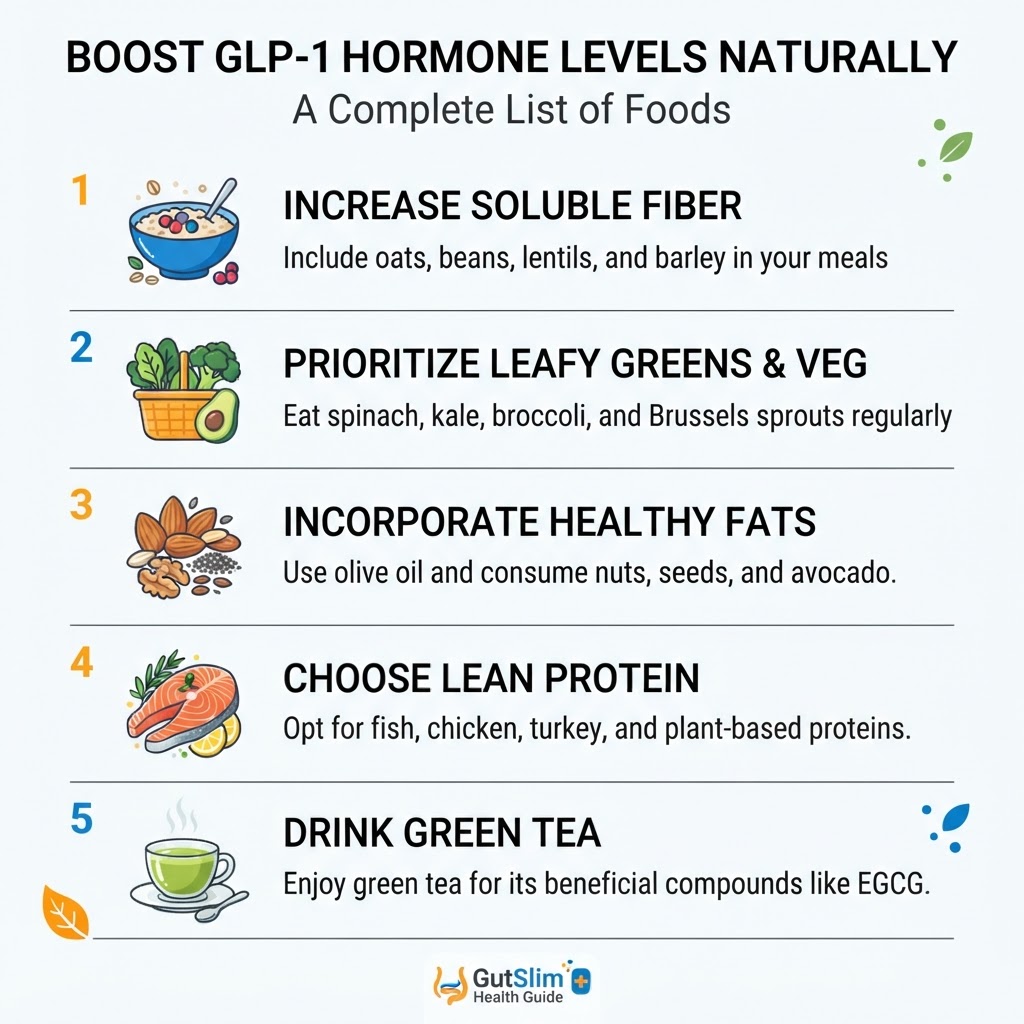
Infographic: foods that boost glp-1 hormone list
Fermented Foods and Microbiome Support
Fermented foods are a traditional staple that modern science is beginning to validate for their role in gut hormone modulation. Options like kimchi, sauerkraut, kefir, and yogurt contain live cultures that support the diversity and functionality of your microbiome. A thriving, diverse gut environment is crucial because the bacteria themselves participate in the signaling processes that influence GLP-1 release. When you incorporate fermented vegetables into your diet, you are not just adding flavor; you are providing your gut with the tools it needs to remain balanced.
Why Fermentation Matters
The process of fermentation pre-digests certain compounds, making nutrients more accessible to the body. These foods act as bio-active triggers for your gut lining, encouraging the L-cells to operate efficiently. Regularly consuming fermented products is associated with lower levels of systemic inflammation, which is vital for maintaining clear communication between your gut and your metabolic signaling centers.
Incorporating Fermented Foods Daily
You do not need to consume massive portions of fermented foods to see the benefits. A single tablespoon of authentic sauerkraut or a quarter cup of kimchi served alongside your main meal is sufficient to introduce beneficial bacteria to your system. Look for products in the refrigerated section of your grocery store, as shelf-stable versions are often pasteurized, which kills the beneficial live cultures. Experimenting with different varieties can help you find flavors you enjoy while supporting your long-term metabolic health.
Fermented food consumption is associated with decreased systemic inflammation and a more diverse microbiome, which is foundational for effective hormonal signaling throughout the digestive tract. — American Society for Microbiology, 2021 (https://journals.asm.org/doi/10.1128/mSystems.00063-21)
Starting Your Fermentation Journey
Many of my patients report feeling more satisfied after meals when they prioritize these fermented additions. If you are just starting to experiment with these foods, begin with small servings to allow your digestive system to adapt comfortably. This slow and steady approach is often the most sustainable method for long-term health, ensuring that your gut remains resilient while you support your metabolic goals.
Healthy Fats and Sustained Metabolic Balance
Healthy fats, particularly monounsaturated and omega-3 fatty acids, play a complex role in the regulation of hunger hormones. Sources like extra virgin olive oil, walnuts, flaxseeds, and fatty fish are excellent additions to a diet aimed at supporting metabolic health. These fats do not trigger the same rapid insulin spikes as processed carbohydrates, and they contribute to the slower gastric emptying that helps keep you feeling satisfied for longer periods. By slowing down the movement of food through your digestive system, healthy fats may support a more sustained release of GLP-1 compared to a low-fat, high-glycemic meal.
The Role of Omega-3s
Omega-3 fatty acids, found in abundance in salmon, mackerel, and chia seeds, are known for their anti-inflammatory properties. By keeping your gut environment free from excessive inflammation, these fats ensure that your signaling hormones can travel freely and effectively. Including a serving of fatty fish twice a week, or using high-quality flax oil in your salad dressings, is a simple way to boost your intake of these essential nutrients.
Choosing the Right Fats
It is best to focus on whole-food fats rather than refined vegetable oils. Avocados, raw nuts, and seeds provide healthy fats along with beneficial vitamins and minerals that support metabolic function. When you prioritize these whole-food sources, you are fueling your body with high-quality energy that supports hormonal equilibrium. Avoiding ultra-processed oils can help prevent the inflammatory response that often complicates natural hormonal regulation.
Deepening Your Understanding of Fat Intake
Scientific literature often highlights that the lipid composition of our diet influences the sensitivity of the gut to these hormonal signals. When you prioritize healthy fats, you are supporting the integrity of your cell membranes, which is essential for proper nutrient absorption and hormonal communication. Research consistently suggests that an adequate intake of these essential nutrients is correlated with better appetite management across diverse populations. You can find more research regarding the efficacy of targeted support in our finding the best GLP-1 booster supplement South Africa trusts for metabolism guide.
The Role of Polyphenols in Hormone Regulation
Polyphenols are plant-based compounds found in colourful fruits and vegetables that possess antioxidant properties. Foods like berries, green tea, dark chocolate, and cruciferous vegetables are rich in these compounds, which have been shown in various studies to support gut health and potentially influence hormone signaling. Polyphenols can influence the composition of the gut microbiota, promoting the growth of beneficial bacteria that are known to support metabolic health. By including a wide array of plants in your diet, you provide your system with the raw materials needed for optimal function.
Examples of Polyphenol-Rich Foods
The color of a plant is often a reliable indicator of its polyphenol content. Dark blue and purple berries contain anthocyanins, while the deep green of broccoli and kale signifies the presence of other health-promoting phytonutrients. Incorporating these into your meals provides a wide spectrum of compounds that support your metabolic signaling. Try adding a handful of berries to your morning oats or enjoying a cup of high-quality green tea in the afternoon.
Mechanisms of Action
Polyphenols interact directly with the intestinal microbiota. By modulating the gut environment, they create the ideal conditions for L-cells to release GLP-1. Additionally, these compounds work to mitigate oxidative stress throughout the body, which helps maintain the overall health of your digestive tract. This supportive effect is why a plant-forward diet is so highly recommended for anyone looking to optimize their metabolic output.
Tips for Increasing Diversity
Recent data suggests that these phytonutrients help modulate inflammatory pathways in the gut, which in turn allows for better hormone communication. A diet focused on a rainbow of vegetables provides the necessary phytonutrient diversity to support your gut environment. Remember that variety is key here, as different plants contain different types of polyphenols that work together in the gut. If you find it challenging to get enough plant diversity, aim to add one new vegetable to your grocery list each week, which is a simple and effective way to increase your intake of these health-promoting substances.
Practical Steps to Support Your Metabolic Journey
If you are wondering where to begin your journey, the most important step is to focus on simplicity and consistency. Start by making small, manageable changes to your daily nutrition rather than trying to overhaul your entire lifestyle overnight. Adding a serving of fiber-rich legumes to your dinner or incorporating a tablespoon of fermented sauerkraut into your lunch can yield positive results over time. Consistency is far more effective for your long-term success than a single perfect day of eating.
Structuring Your Meals
Try the "plate method" to simplify your nutritional intake: fill half your plate with non-starchy vegetables, one quarter with high-quality protein, and one quarter with fiber-rich complex carbohydrates. This structural approach naturally balances your meals to support hormonal signaling without the need for complex calorie counting. Keeping your meals consistent in timing can also help regulate your hunger hormones, as your body begins to anticipate nourishment at regular intervals.
Lifestyle Factors Beyond Food
While food is a powerful tool, it does not act in isolation. Movement, specifically after meals, has been shown to support better glycemic control and hormonal response. A brisk ten-minute walk after lunch or dinner can aid in digestion and help your body process the nutrients you have just consumed. Prioritizing seven to nine hours of quality sleep also supports the hormonal balance necessary for long-term health and vitality.
Enhancing Your Progress
To further support your goals, consider the GutSlim Probiotics GLP-1 Booster, which is designed to complement a nutrient-dense diet and support your metabolic health naturally. Taking a short walk for ten minutes after your dinner can also help move your body and further support your digestive processes after a meal. Always ensure that you are staying hydrated and getting adequate rest, as both are crucial for metabolic balance. If you are feeling overwhelmed, remember that you do not have to do it alone, and speaking with a qualified nutritionist or doctor can provide the guidance you need for your personal situation.
Your Commitment to Metabolic Wellness
Taking charge of your gut health is a journey that pays dividends for your overall well-being. By focusing on whole foods that naturally support your body's hormone production, you are creating a foundation for better metabolic function. Whether it is through increasing your intake of soluble fiber, choosing high-quality proteins, or exploring the benefits of fermented foods, every small choice contributes to your health. We encourage you to start small, stay patient with your progress, and listen to your body as you navigate these changes.
Building Habits That Last
The most sustainable health improvements are those that become integrated into your daily lifestyle. Rather than viewing your nutrition as a restrictive plan, consider it a form of nourishment that supports the very hormones governing your satiety. Over time, these healthy choices will become second nature, leading to a more intuitive relationship with your body. Remember to celebrate the small victories along the way, as consistency over time is the key to meaningful metabolic results.
Staying Connected
For more expert advice and ongoing support on your journey toward better metabolic health, please subscribe to our GutSlim newsletter. We are dedicated to providing the latest science-backed information to help you navigate the complexities of gut health and weight management with ease. Remember that your health is a lifelong process, and every positive step you take today helps build a stronger version of yourself for the future. We look forward to supporting you on this path toward improved vitality and balance every single day.
Dr. Chomba Chuma
MD & Founder, GutSlim
Dr. Chomba Chuma is a medical doctor and gut health specialist with over a decade of clinical experience. As founder of GutSlim, she is on a mission to help people transform their health through the power of the gut microbiome.
Get gut-smart, one email at a time.
Science made simple, practical tips and member-only offers from GutSlim. No spam, unsubscribe anytime.
Related Articles



Ready to transform your gut health?
Take the free 2-minute Gut Archetype Quiz and discover your personalised protocol.
Take the Free Quiz →