
Does Gut Health Affect GLP-1 Levels and Your Metabolic Weight Management?
Dr. Chomba Chuma
MD & Founder, GutSlim
Discover if gut health impacts GLP-1 levels and how to naturally support your metabolic weight management journey. Learn more about your gut-hormone connection.
Does Gut Health Affect GLP-1 Levels and Your Metabolic Weight Management?
As a physician focused on metabolic wellness, I am frequently asked by patients whether their digestive system truly influences their weight. The question, does gut health affect GLP-1 levels, is one of the most critical inquiries in modern endocrinology and nutritional science. Research indicates that the trillions of microbes residing in our digestive tract act as a complex internal signaling center. These bacteria communicate directly with the cells responsible for secreting glucagon-like peptide-1, or GLP-1. This hormone plays a vital role in signaling satiety and managing blood sugar. Understanding this link is essential for anyone seeking to support their metabolic health through natural, gut-focused strategies.
The Intricate Connection Between Microbiota and GLP-1
The gut microbiome is not merely a passenger in our physiological processes. It is an active participant in hormonal regulation. Specialized cells located in the lining of our small and large intestines, known as L-cells, are responsible for the secretion of GLP-1. Recent scientific inquiry has revealed that specific short-chain fatty acids produced by gut bacteria, such as butyrate, act as stimulants for these L-cells. When we provide our microbiome with the right environment through diverse fiber intake and targeted probiotic support, we facilitate a more efficient hormonal response. This is a foundational concept discussed in Understanding GLP-1: The Gut Hormone Revolution.
The composition of the gut microbiota influences the production of GLP-1, suggesting that dietary interventions targeting the microbiome could be a promising strategy for metabolic regulation. — Bouter et al., 2017, Journal of Endocrinology and Metabolism
How L-Cells Sense the Environment
L-cells act as chemical sensors that monitor the contents of your digestive tract. When they detect the presence of fiber-derived metabolites, they release GLP-1 into the bloodstream. Think of these cells as the body’s "thermometer" for nutritional fullness. If the microbial population is sparse or imbalanced, these sensors may not trigger as effectively.
The Role of Microbial Diversity
Microbial diversity is the variety of different bacterial species living in your gut. A diverse microbiome acts like a complex ecosystem where different species cross-feed to produce beneficial metabolites. When one species dies out, the chemical chain reaction that supports hormone production may falter. Maintaining this internal "biodiversity" is a key pillar of metabolic support.
When the diversity of the microbiome is diminished, the efficiency of these signaling pathways may be compromised. This is why nourishing the gut is not just about digestion, but about maintaining the delicate hormonal balance that dictates our hunger and metabolic rate. Scientific evidence can be found at https://pubmed.ncbi.nlm.nih.gov/28552601/ regarding the impact of gut microbiota on metabolic function.
How Microbial Metabolites Influence Satiety Hormones
Beyond simply existing, our gut bacteria produce compounds that travel through the bloodstream to affect various organs. These metabolites are the bridge between your lunch and your brain's perception of fullness. When beneficial bacteria ferment dietary fibers, they create a postbiotic environment that helps modulate the secretion of metabolic hormones. This process supports the body's natural ability to manage cravings and maintain consistent energy levels throughout the day.
Short-Chain Fatty Acids: The Chemical Messengers
Short-chain fatty acids (SCFAs) like acetate, propionate, and butyrate are the primary products of fiber fermentation. These molecules do more than provide energy to the cells lining the colon. They circulate throughout the body, providing signals to the brain that help regulate appetite. By supporting the production of these metabolites, we assist the body’s innate satiety mechanisms.
Bridging the Gut-Brain Axis
The communication between your gut and brain is a two-way street known as the gut-brain axis. Your gut microbes can influence the vagus nerve and circulating hormones to tell the brain when to stop eating. When you eat fiber-rich foods, you are essentially "talking" to your brain through your bacteria. This biological feedback loop may help reduce the urge for excessive calorie intake.
Research has consistently shown that the absence of certain bacterial strains can lead to a sluggish hormonal response to food intake. By fostering an environment where beneficial bacteria thrive, we support the body's intrinsic ability to signal that we have consumed enough energy. This is a recurring theme in The Surprising Role of Gut Bacteria in Hunger Control. The goal is to optimize this internal communication system to ensure that your metabolic hormones are working for you rather than against you.
Dietary Fiber as a Catalyst for Natural GLP-1 Production
If you want to know how to support your L-cells naturally, look no further than the fiber on your plate. Dietary fibers are the fuel sources for the very bacteria that trigger GLP-1 release. Specifically, fermentable fibers like inulin, pectin, and resistant starch are metabolized in the colon to produce compounds that encourage hormone secretion. By prioritizing a plant-diverse diet, you are providing the building blocks for an efficient hormonal response.
Sources of Prebiotic Fiber
Inulin is found in foods like chicory root, garlic, and onions. Pectin is abundant in apples and pears, while resistant starch is found in cooked-and-cooled potatoes and green bananas. Integrating these foods into your daily meals creates a consistent source of fuel for your microbiome. Rotating these sources ensures that you are feeding a wide array of beneficial bacteria.
Tips for Increasing Fiber Intake
Transitioning to a high-fiber diet should be done gradually to allow your digestive system to adapt. Start by adding one extra serving of vegetables per day rather than making massive, sudden shifts. Remember to increase your water intake alongside fiber to assist with smooth digestion. Consistent, small increases are often more sustainable than drastic, one-time changes.
Fiber fermentation by the gut microbiome promotes the release of glucagon-like peptide-1, which plays a key role in the regulation of appetite and glycemic control. — National Institutes of Health, 2021, PubMed
It is important to remember that this process is gradual and requires consistency. Rapid changes in diet can sometimes lead to discomfort, so increasing fiber intake slowly is a prudent approach. Ensuring you have a broad range of plant sources helps support a wider variety of microbial strains, which further stabilizes your hormonal output. For more insights on this approach, visit https://www.ncbi.nlm.nih.gov/pmc/articles/PMC6682904/ to read deeper analysis on dietary fiber and metabolic health.
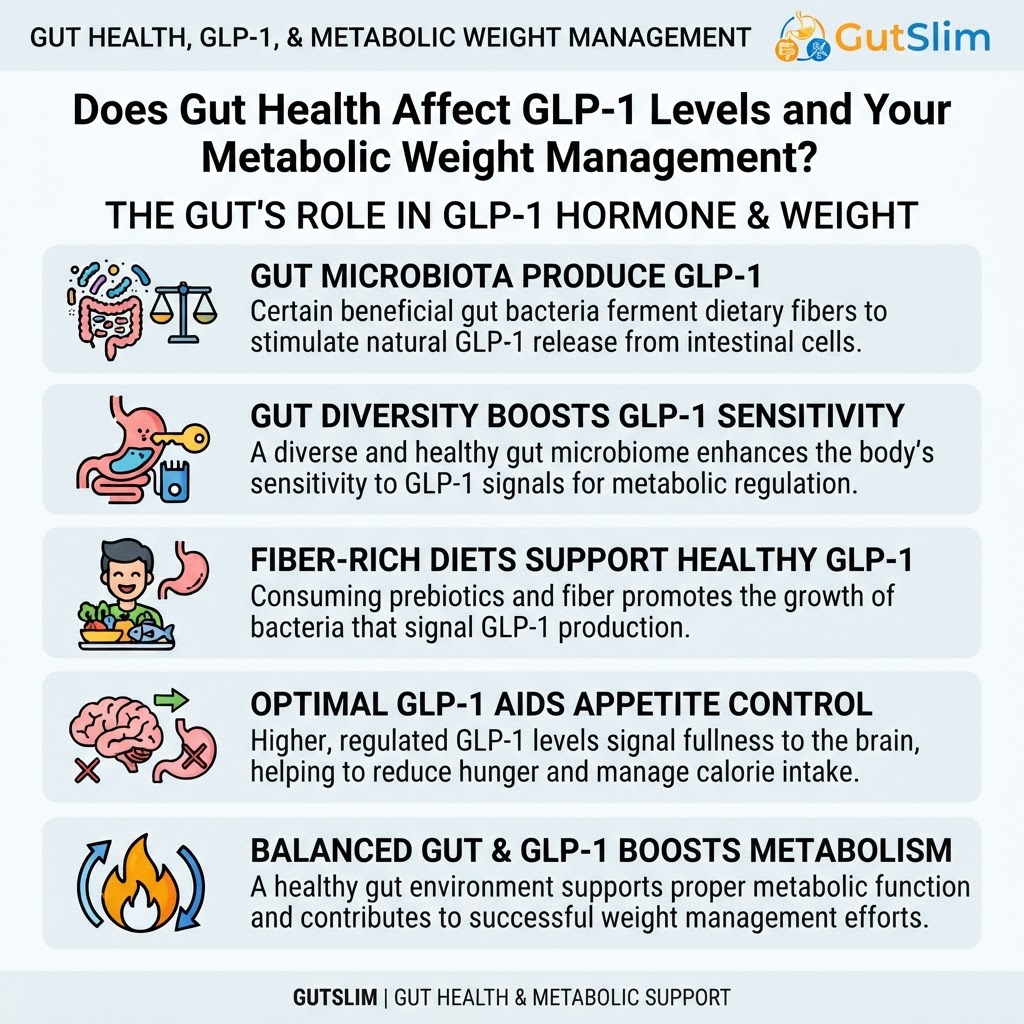
Infographic: does gut health affect glp-1 levels
The Role of Inflammation in Hormone Sensitivity
Chronic inflammation in the gut, often referred to as low-grade systemic inflammation, can blunt the signals sent by our metabolic hormones. When the gut barrier is compromised, it may allow bacterial components to pass into the bloodstream, triggering an immune response. This state of constant alert can interfere with the sensitivity of the cells meant to receive signals like GLP-1. Managing this inflammation is a critical step in restoring effective metabolic signaling.
Understanding "Leaky Gut" and Metabolic Health
When the integrity of the intestinal lining is weakened, it may allow small particles to leak into the bloodstream. This is associated with an immune system activation that can distract the body from its primary metabolic tasks. By protecting the gut barrier through nutrient-dense foods, we support the efficiency of our hormonal signals. Think of a healthy gut lining as a well-guarded filter that ensures only the right nutrients pass through.
Anti-Inflammatory Dietary Habits
To calm internal inflammation, prioritize foods rich in omega-3 fatty acids, such as fatty fish or walnuts. Eliminating highly processed oils and excessive added sugars can also support a less inflammatory environment. Spices like turmeric and ginger have also been widely researched for their potential to support a balanced inflammatory response. These small choices contribute to an internal environment where hormones can travel and signal without interference.
To address this, many individuals focus on incorporating anti-inflammatory foods and supporting the integrity of the gut lining. This is why reducing processed food intake and focusing on whole, nutrient-dense ingredients is so beneficial. A stable, non-inflamed gut is much better equipped to manage the complex dance of hormones that regulate our energy storage and usage. When the gut is in a state of balance, the body's natural satiety mechanisms function with greater precision and reliability.
Probiotics and Targeted Support for Metabolic Health
Not all probiotics are identical in their effect on metabolic hormones. Specific strains have been identified for their potential to support the gut-hormone axis. By introducing these beneficial organisms, we can influence the chemical composition of the gut environment. This helps to optimize the conditions under which L-cells operate, thereby supporting the body's natural production of satiety signals.
Why Targeted Strains Matter
General probiotic supplements provide a broad range of bacteria, but metabolic support requires specific strains that are known to survive the journey through the digestive system. These specialized bacteria often focus on increasing the production of butyrate in the colon. By ensuring the bacteria can survive stomach acid and reach the target area, we maximize the potential benefits of the supplement.
Integrating Supplements into Your Routine
Supplements are best viewed as a support mechanism for a solid nutritional foundation rather than a replacement for food. Timing your probiotic intake—often before a meal—may help ensure the bacteria have access to the fiber they need to thrive once they reach the colon. Consistent use is necessary, as the microbiome is a dynamic, changing environment that requires ongoing support.
For those looking for structured, high-quality support, the GutSlim Probiotics GLP-1 Booster is designed with this specific metabolic objective in mind. It uses advanced delivery technology to ensure that these beneficial bacteria reach the lower digestive tract where they are most needed. Supporting your microbiome with these tools can be a meaningful part of a broader health strategy aimed at long-term metabolic wellness and balance.
Sustainable Lifestyle Habits for Long-Term Metabolic Success
Supporting your gut health is a lifestyle commitment rather than a quick fix. While targeted supplementation can be helpful, the foundational pillars of health remain unchanged. Consistent sleep patterns, regular physical movement, and effective stress management all play a part in how our hormones behave. Stress, in particular, can alter the composition of our microbiome and directly impact the hormones that manage our weight.
Sleep and Metabolic Rhythms
The body follows a circadian rhythm that dictates everything from digestion to hormone secretion. Poor sleep can disrupt the hormones that govern hunger, leading to an increase in cravings the following day. Prioritizing seven to nine hours of quality sleep helps your body reset its hormonal pathways. Establishing a consistent bedtime routine can support these natural metabolic cycles.
The Impact of Physical Movement
Regular physical activity acts as a stimulant for metabolic function. Exercise can shift the composition of your gut bacteria, potentially increasing the population of beneficial microbes that produce butyrate. Even low-impact activities like walking or yoga can contribute to a better hormonal environment. Aim for consistent movement throughout the day to keep your metabolic pathways active.
Building habits that protect your circadian rhythm will also support your metabolic hormones. Our bodies are designed to function in cycles, and aligning your eating patterns with these cycles can improve how your body handles energy. Focus on creating a supportive environment for your health through steady, daily choices. Remember that consulting with a professional healthcare provider is essential for creating a plan that is safe and effective for your unique biological requirements.
Starting Your Journey Toward Better Gut-Metabolic Balance
The simplest way to begin supporting your gut-hormone axis today is to focus on diversity in your meals. Add one new high-fiber, plant-based food to your dinner plate tonight, such as steamed broccoli or a handful of legumes. This small action provides essential fuel for the bacteria that facilitate natural GLP-1 production.
Measuring Your Progress
When starting your journey, focus on how you feel rather than just the numbers on a scale. Notice improvements in your digestion, energy levels throughout the day, and the frequency of your cravings. These markers are excellent indicators that your internal environment is becoming more balanced. Keep a simple journal to track your progress and observe how your body responds to dietary shifts.
Professional Guidance and Safety
Before introducing any new supplement or beginning a restrictive diet, always check with your primary care physician. Everyone’s medical history is unique, and a personalized approach is always the safest route. Your doctor can help monitor your progress and ensure that your metabolic support plan is optimized for your individual needs.
For a more comprehensive starting point, you can explore the GutSlim Probiotics GLP-1 Booster to see how our targeted formulations support your goals. Please remember to consult with your physician before beginning any new supplement or dietary program to ensure it aligns with your medical history. We invite you to subscribe to our newsletter for more science-backed insights on optimizing your gut and metabolic health.
Dr. Chomba Chuma
MD & Founder, GutSlim
Dr. Chomba Chuma is a medical doctor and gut health specialist with over a decade of clinical experience. As founder of GutSlim, she is on a mission to help people transform their health through the power of the gut microbiome.
Get gut-smart, one email at a time.
Science made simple, practical tips and member-only offers from GutSlim. No spam, unsubscribe anytime.
Related Articles



Ready to transform your gut health?
Take the free 2-minute Gut Archetype Quiz and discover your personalised protocol.
Take the Free Quiz →