
Dr. Chomba Chuma
MD & Founder, GutSlim
Discover how to lose belly fat by fixing your gut with evidence-based strategies. Learn how your microbiome influences your waistline. Start your journey today.
How to Lose Belly Fat by Fixing Your Gut: A Science-Backed Guide
Understanding the Connection Between Your Microbiome and Abdominal Weight
Many individuals focus solely on calorie restriction when attempting to reduce abdominal measurements. However, the science of the human microbiome suggests that the internal ecosystem plays a pivotal role in metabolic function. Learning how to lose belly fat by fixing your gut requires shifting the focus from mere input to physiological balance. Your digestive tract houses trillions of microorganisms that influence how you store energy, process nutrients, and manage satiety signals.
The Microbiome as a Metabolic Regulator
Your microbiome functions almost like a secondary organ that dictates how efficiently your body utilizes the energy provided by food. Research suggests that certain bacterial populations are more efficient at harvesting calories from the food you eat. When your microbiome is dominated by specific, less favorable strains, the body may become more prone to energy storage rather than utilization. By fostering a diverse and resilient bacterial population, you provide your body with the tools necessary to support better weight management outcomes.
Dysbiosis and Visceral Fat Storage
Recent research indicates that specific bacterial strains within the gut are associated with metabolic efficiency. When this community experiences dysbiosis, or an imbalance, it can lead to systemic low-grade inflammation. This internal environment is often linked to the accumulation of visceral fat, which is the type of fat stored around internal organs. This deeper fat layer is metabolically active and is frequently influenced by the signals sent by your gut bacteria.
Why Diversity Matters
A diverse gut is a robust gut. When you have a wide variety of microbes, they create a competitive environment that keeps any single strain from overpopulating. This diversity is associated with better metabolic flexibility, which is your body’s ability to switch between burning glucose and burning stored fats. Focusing on microbial diversity is a cornerstone of modern metabolic support strategies.
The Role of Systemic Inflammation in Fat Retention
Chronic inflammation is a significant factor in how the body partitions energy. When the intestinal barrier becomes compromised, often referred to as increased intestinal permeability, bacterial toxins may enter the bloodstream. This triggers an immune response that can interfere with normal insulin sensitivity. Maintaining a strong gut barrier is essential for metabolic stability.
Chronic low-grade inflammation is a hallmark of obesity and plays a fundamental role in the development of metabolic disorders including insulin resistance and type 2 diabetes. — Obesity Reviews, 2020, https://pubmed.ncbi.nlm.nih.gov/32770857/
The Barrier Function Explained
Think of your gut lining as a sophisticated security checkpoint. When the cells of your intestinal wall are healthy, they keep toxins and pathogens inside the digestive tract. When this barrier weakens, those toxins "leak" into the bloodstream, prompting your immune system to launch a full-scale defensive attack. This chronic activation of the immune system uses up significant energy and may disrupt your body's ability to process fuel efficiently.
Diet as a Tool for Inflammation Management
Managing this inflammation begins with dietary habits and environmental factors. Focusing on whole, unprocessed foods that provide ample phytonutrients helps soothe the intestinal environment. By reducing the intake of ultra-processed items—which often contain emulsifiers that can thin the gut mucus layer—you limit the stress placed on your digestive lining. This approach supports your body in its natural efforts to regulate weight without relying on extreme measures.
Practical Steps to Support the Gut Barrier
To support your gut barrier, incorporate foods rich in polyphenols, such as berries, dark chocolate, and green tea. Polyphenols act as "prebiotic fertilizers" for your gut, encouraging the growth of beneficial bacteria that naturally strengthen the gut wall. Furthermore, ensure you are staying hydrated, as water is essential for the mucus layer that acts as the physical shield for your intestinal cells.
Managing Satiety Signals Through Gut-Brain Communication
Your gut serves as the largest endocrine organ in the body, communicating constantly with the brain. This signaling pathway uses various hormones, including GLP-1, to regulate appetite and hunger. Strategies for natural ways to increase GLP-1 hormone for appetite control & weight management are vital for anyone looking to reduce cravings. When your gut-brain axis is functioning optimally, your body becomes better at recognizing fullness.
The Power of GLP-1
Glucagon-like peptide-1 (GLP-1) is a hormone produced in the gut in response to food intake. It signals to your brain that you have had enough to eat and helps slow down gastric emptying, keeping you satisfied for longer. Many people struggle with belly fat because their natural GLP-1 signaling has become sluggish, often due to a lack of specific fiber-fermenting bacteria. Strengthening these bacteria is a primary way to support your natural appetite control mechanisms.
Bridging the Gut-Brain Gap
When the microbiome is supported through proper nutrition and supplementation, these hormones are released more effectively. This physiological harmony makes it easier to adhere to balanced eating habits without feelings of deprivation. You can explore more about how to stop sugar cravings naturally to better understand how your gut influences your daily snack choices. Consistent support for this axis can change the way you interact with food over time.
Identifying Hunger vs. Cravings
Sometimes, what feels like "hunger" is actually a signal triggered by an imbalanced microbiome asking for the specific type of fuel it likes—usually sugar or refined carbs. By diversifying your intake, you feed a wider range of bacteria, which reduces the dominance of these "cravings-driven" microbes. As your gut health improves, you may find that the internal "noise" telling you to snack on processed items begins to fade.
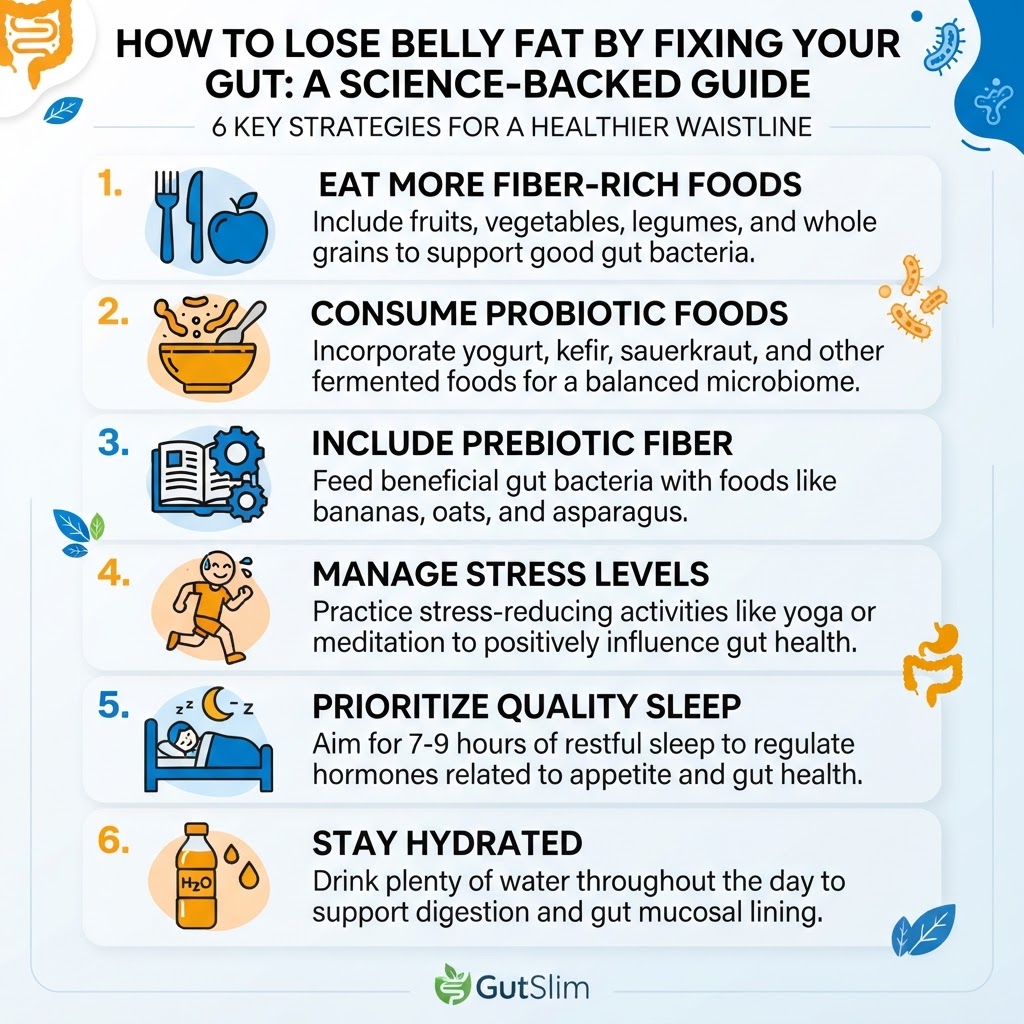
Infographic: how to lose belly fat by fixing your gut
The Impact of Fibre and Plant Diversity on Metabolic Health
Fiber acts as a primary fuel source for beneficial bacteria, which in turn produce short-chain fatty acids like butyrate. These compounds are known for their ability to support gut barrier integrity and assist in metabolic regulation. Increasing the diversity of your plant intake is a simple yet powerful way to influence these biological processes. Aim for a wide variety of colours and textures in your meals to encourage microbial variety.
The "Butyrate" Advantage
Butyrate is a superstar molecule produced by bacteria when they break down fiber. It provides the primary energy source for the cells lining your colon and has been shown in various studies to support metabolic homeostasis. Higher levels of butyrate in the system are associated with better glucose metabolism, which is essential for managing fat storage around the midsection.
Why Variety is the Secret Ingredient
Eating the same three vegetables every week limits the types of bacteria you support. Different plants contain different types of prebiotic fibers, and each type feeds a different "neighborhood" of microbes in your gut. Research published by the National Institutes of Health highlights that dietary patterns rich in diverse plant fibres are linked to improved markers of metabolic health. A consistent intake of legumes, seeds, nuts, and vegetables provides the structural components your gut needs to thrive.
High fibre intake is associated with a lower body mass index and improved metabolic outcomes due to its role in modulating gut microbiota composition and satiety. — American Journal of Clinical Nutrition, 2021, https://academic.oup.com/ajcn/article/113/1/256/6045952
Integrating Fiber Into Your Routine
You don't need to overhaul your entire diet at once to see benefits. Start by adding a single tablespoon of ground flaxseed or chia seeds to your breakfast. Gradually work your way up to including legumes like lentils or chickpeas in your lunch, as these are dense with prebiotic fiber. This is not about strict dieting but about nourishment that supports your long-term wellness goals. Always consult with a healthcare professional before making significant changes to your dietary routine.
Strategies for Supporting Gut Microbiome Balance
Supporting your gut involves more than just food choices; it requires a holistic approach to lifestyle. Consistent sleep cycles, regular movement, and effective stress management all contribute to a more resilient gut lining. When you prioritize these pillars, you provide your metabolism with the steady environment it needs to function correctly. This stability is often a missing link for those struggling to reach their physical goals.
The Impact of Circadian Rhythms on Bacteria
Believe it or not, your gut bacteria follow a circadian rhythm just like you do. Late-night snacking or irregular sleep schedules can confuse your microbial population, leading to suboptimal metabolic output. Keeping a consistent bedtime helps regulate your gut, which in turn helps your body manage fat stores more effectively. Think of your sleep schedule as a "reboot" button for your digestive system.
Stress and the Gut-Brain Connection
High stress levels result in the production of cortisol, which can negatively affect the balance of your gut bacteria. Stress can also slow down digestion, leading to increased fermentation and potential discomfort. Incorporating mindful practices like deep breathing or gentle movement can help mitigate the impact of daily life on your gut. By calming your nervous system, you create a more hospitable environment for beneficial microbes.
Targeted Probiotic Support
Additionally, targeted probiotic support can offer significant benefits by introducing beneficial strains to your ecosystem. For those ready to optimize their internal environment, the GutSlim Probiotics GLP-1 Booster is designed to support metabolic health and weight management through advanced gut support technology. By using these tools alongside a fibre-rich diet, you are building a solid foundation for your health journey. Please ensure you discuss any new supplement regimen with your primary care provider.
Addressing Bloating and Metabolic Efficiency
Many people confuse abdominal bloating with fat accumulation, but they are often distinct issues requiring different management strategies. Bloating is frequently a result of digestive distress or an imbalance in bacterial fermentation. By managing this, you may experience a more comfortable digestive experience and a flatter stomach appearance. Focusing on gut comfort is a critical step in feeling more confident and capable in your body.
Distinguishing Bloat from Tissue
Bloating is typically characterized by a distended abdomen that feels tight, often changing throughout the day. Fat, on the other hand, is generally consistent. When you address the fermentation levels in your gut, you help reduce the gas production that causes that "puffiness." This makes it much easier to assess your true progress and remain motivated.
Foods That Calm the Gut
Reducing the intake of high-gas foods—like certain cruciferous vegetables or high-FODMAP items—during periods of sensitivity can help identify potential triggers. Incorporating fermented foods that are naturally rich in probiotics can also aid in smoothing out the digestive process. These foods, such as kimchi, sauerkraut, or kefir, serve as traditional supports for digestive ease. For further reading, you may find that managing your daily habits contributes significantly to how your body processes food and maintains energy levels.
The Role of Mindful Eating
How you eat is just as important as what you eat. Chewing your food thoroughly reduces the workload on your stomach and small intestine, minimizing the amount of undigested food that reaches the colon where bacteria ferment it into gas. Taking at least 20 minutes for a meal and avoiding distractions while eating allows your parasympathetic nervous system to take over, which is the "rest and digest" state necessary for optimal metabolic function.
The First Step Toward Your Gut-Focused Goals
Taking charge of your metabolic health does not require radical changes overnight. The simplest first step you can take today is to commit to one 15-minute walk after your largest meal of the day. This simple action assists with digestion and helps your body manage blood glucose levels more effectively. Over time, this small habit becomes a cornerstone of your metabolic routine, fostering a healthier gut environment.
Small Actions, Big Results
In addition to movement, try to include one extra serving of fibrous vegetables in your dinner tonight to feed those beneficial bacteria. When you feel ready for a more structured approach, explore the GutSlim Probiotics GLP-1 Booster to provide your microbiome with the support it needs to function at its best. Consistency is the secret to success in any wellness journey. We invite you to sign up for our newsletter to receive expert tips on gut health and metabolic wellness directly to your inbox every week. Your journey to a more balanced life starts with these small, intentional steps toward a healthier gut.
Creating a Sustainable Routine
Wellness is a marathon, not a sprint. By focusing on the health of your microbiome, you are addressing the root of metabolic efficiency rather than just the symptoms. Whether it is adding more fermented foods, increasing your fiber intake, or supporting your gut-brain axis with the right supplements, every choice matters. Stay patient, stay consistent, and remember that your body is designed to find balance when provided with the right inputs.
Dr. Chomba Chuma
MD & Founder, GutSlim
Dr. Chomba Chuma is a medical doctor and gut health specialist with over a decade of clinical experience. As founder of GutSlim, she is on a mission to help people transform their health through the power of the gut microbiome.
Get gut-smart, one email at a time.
Science made simple, practical tips and member-only offers from GutSlim. No spam, unsubscribe anytime.
Related Articles


Ready to transform your gut health?
Take the free 2-minute Gut Archetype Quiz and discover your personalised protocol.
Take the Free Quiz →