
How to Increase GLP-1 Naturally with Food for Better Metabolism
Dr. Chomba Chuma
MD & Founder, GutSlim
Discover how to increase GLP-1 naturally with food to support healthy weight management and appetite control. Learn the best nutritional strategies here today.
How to Increase GLP-1 Naturally with Food for Better Metabolism
As we explore the intricate world of metabolic health, the role of gut hormones has moved to the center stage of modern nutritional science. Many individuals seeking to understand their appetite and energy levels often ask how to increase GLP-1 naturally with food. Glucagon-like peptide-1, commonly referred to as GLP-1, is a fascinating hormone produced in the gut that signals satiety to the brain and helps regulate blood sugar levels. By making informed dietary choices, you may support your body's ability to produce this vital messenger. This article serves as an educational guide to help you incorporate nutrient-dense foods into your lifestyle to support your metabolic journey.
The Nutritional Foundation of Natural GLP-1 Production
The gut microbiome is a complex ecosystem that relies on the fuel we provide through our daily meals. When we prioritize specific fibers and nutrients, we create an environment that encourages the endocrine cells in our intestines to release GLP-1. Research indicates that high-quality fermentable fibers are essential for this process. These fibers reach the colon intact, where beneficial bacteria break them down into short-chain fatty acids like butyrate. These compounds are key players in stimulating the release of satiety hormones.
Dietary fibers that are fermentable by the gut microbiota are known to increase the expression of GLP-1 in the distal gut, which may contribute to improved glucose metabolism and weight control. — National Institutes of Health, 2021, https://pubmed.ncbi.nlm.nih.gov/34211181/
The Importance of Prebiotic Fiber
Prebiotic fibers serve as the primary fuel source for the beneficial bacteria residing in your large intestine. When these microbes ferment fiber, they produce metabolites that interact with your body’s internal signaling systems. High-fiber foods like legumes, oats, and garlic act as foundational components for a healthy gut ecosystem. By focusing on these, you support the internal environment necessary for hormonal balance.
Prioritizing Whole-Food Sources
Whole grains and legumes provide a slow-release energy source that is gentler on your digestive system. Unlike processed flours, whole plant foods contain complex carbohydrate structures that require time to break down. This gradual digestion process allows for a steady stream of nutrients to reach the gut cells. Consistent access to these nutrients is what potentially facilitates a more efficient GLP-1 response.
To begin your journey, consider increasing your intake of legumes, whole grains, and specific vegetables. By diversifying your intake, you support a broader range of microbial species. It is important to remember that shifts in dietary habits should be approached with care and guidance from your medical professional. You can read more about how your microbiome influences your hunger in our article on The Surprising Role of Gut Bacteria in Hunger Control.
The Role of Protein and Healthy Fats
While fiber is the primary driver of GLP-1 production through microbial fermentation, protein and healthy fats also play significant supporting roles. Consuming high-quality protein, such as lean meats, eggs, or plant-based proteins like tempeh, can trigger a release of satiety signals in the upper gut. Furthermore, the presence of healthy fats, including omega-3 fatty acids found in walnuts, chia seeds, and fatty fish, may support the hormonal environment conducive to GLP-1 release.
Amino Acids and Satiety Signaling
Protein consumption is linked to the stimulation of specific cells in the small intestine that secrete GLP-1 upon sensing amino acids. Lean proteins provide the building blocks your body needs for hormonal production and cellular repair. Incorporating a source of protein at every meal can help maintain a sense of fullness. This simple strategy may support your efforts in managing overall intake without feelings of deprivation.
The Influence of Omega-3 Fatty Acids
Healthy fats, particularly those rich in omega-3s, contribute to the structural integrity of cell membranes throughout the body. There is evidence to suggest that healthy fats modulate inflammation, which can indirectly support the signaling efficiency of gut hormones. Including sources like avocado, olive oil, and flaxseeds provides your body with the lipids required for optimal hormone function. Balancing these fats with high-fiber vegetables is a cornerstone of a well-rounded metabolic diet.
Many people find that balancing their macronutrients at each meal helps in maintaining steady energy levels. By pairing a source of protein with fiber-rich vegetables, you provide your gut with the tools it needs to function optimally. This approach is not about strict restriction, but rather about choosing foods that support your long-term wellness. For more insights on how to align your nutrition with your gut health, explore our guide on Understanding Prebiotic and Probiotic Foods for Optimal Gut Health.
Understanding the Impact of Fermented Foods
Fermented foods represent a long-standing tradition in many cultures, and they are now being recognized for their role in supporting a diverse gut environment. Foods such as kefir, sauerkraut, kimchi, and plain unsweetened yogurt contain live microorganisms that may influence the gut-brain axis. When these beneficial bacteria thrive, they contribute to a healthy intestinal lining, which is necessary for the efficient signaling of metabolic hormones.
Enhancing Microbial Diversity
Diversity in the gut microbiome is strongly correlated with improved metabolic markers. Fermented foods introduce transient bacteria that help maintain the balance of your resident microbial population. When your microbiome is diverse, it is better equipped to handle dietary shifts and environmental stressors. This biological stability is a major factor in how your body manages energy signals.
Regular consumption of fermented foods is associated with increased gut microbiome diversity and a reduction in systemic markers of inflammation. — Stanford Medicine, 2021, https://med.stanford.edu/news/all-news/2021/07/fermented-food-diet-increases-microbiome-diversity-lowers-inflammation.html
Practical Integration of Ferments
You do not need to consume large quantities of fermented foods to reap the benefits. Starting with a tablespoon of sauerkraut or a small cup of kefir daily can provide a consistent dose of beneficial bacteria. Ensure the products you select are stored in the refrigerated section, as heat-pasteurized options often lack live cultures. Over time, your gut may adapt to these additions, potentially leading to improved digestive comfort and metabolic support.
Incorporating a small serving of these foods into your daily routine can be a simple, effective practice. It is worth noting that quality matters, so look for raw or unpasteurized versions to ensure the beneficial bacteria remain active. Always listen to your body and observe how it responds to new dietary additions. If you notice any discomfort, consult with a qualified professional to adjust your intake according to your specific needs.
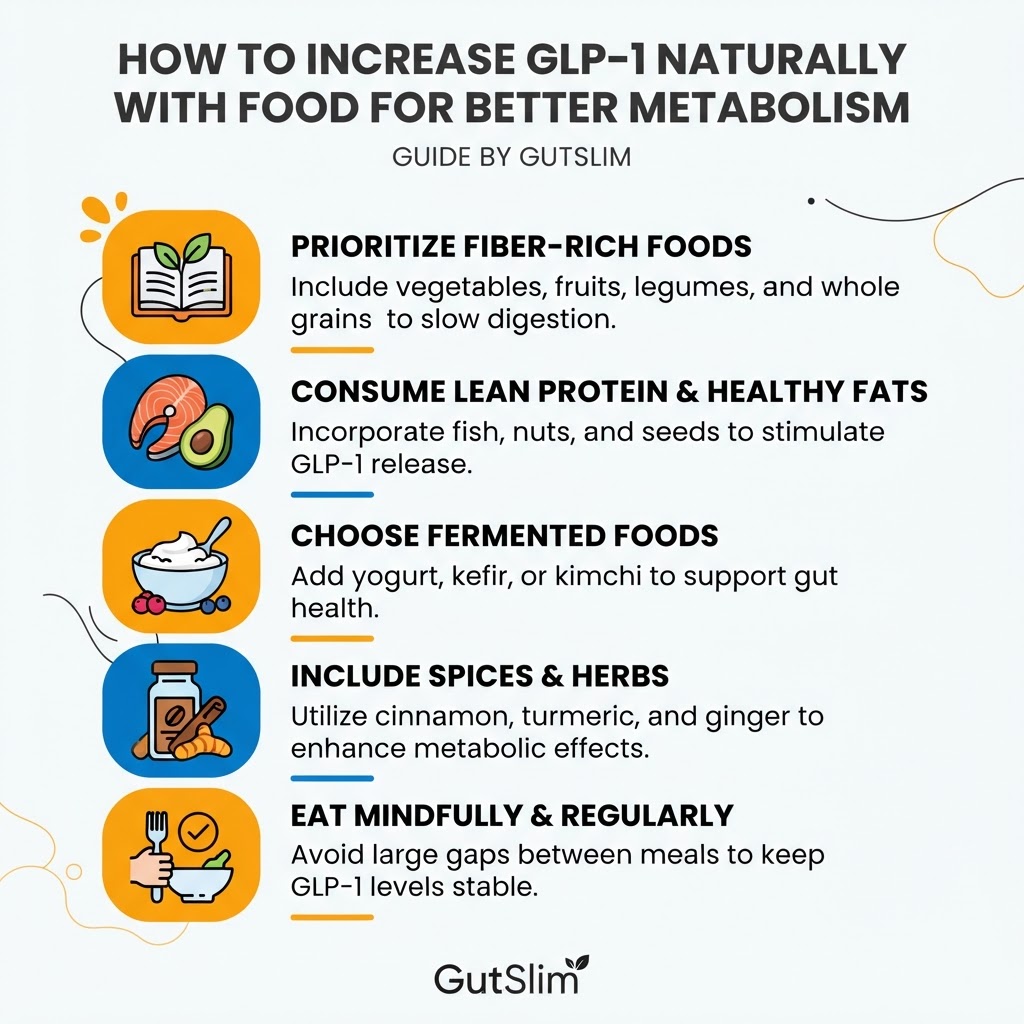
Infographic: how to increase glp-1 naturally with food
Polyphenols and Their Metabolic Synergy
Polyphenols are plant-based compounds that act as powerful antioxidants. They are found in colorful fruits, vegetables, green tea, cocoa, and various herbs. Scientific interest in polyphenols has grown due to their potential to influence metabolic pathways and support the integrity of the gut barrier. By reducing oxidative stress in the gut, polyphenols may facilitate a more responsive hormonal system, including the production of GLP-1.
Identifying Polyphenol-Rich Foods
Deeply colored fruits like blueberries, blackberries, and pomegranate are excellent sources of these compounds. Spices such as turmeric and ginger also provide concentrated doses of bioactive polyphenols that support systemic health. Including a variety of these colors on your plate ensures you are receiving a broad spectrum of protective plant nutrients. This practice supports your gut cells in functioning effectively, which is vital for hormone regulation.
Synergistic Effects in the Gut
Polyphenols often work in tandem with fiber to create a supportive environment for beneficial bacteria. When you consume polyphenols alongside fibrous foods, you are providing a comprehensive nutritional profile for your microbiome. This synergy may improve how your body handles glucose and signals satiety. It is a natural way to foster internal balance through the power of diverse, whole foods.
Integrating berries, leafy greens, and spices like turmeric or ginger into your meals can increase your polyphenol consumption significantly. These foods provide a dense source of nutrients without adding unnecessary calories. As you experiment with these additions, you might find that your cravings decrease, allowing you to focus on nutrient-dense options. This holistic approach supports the idea that the gut is the engine room of your metabolism.
Strategic Meal Planning for Sustained Hormone Support
Consistency in meal timing and composition can also influence how your body manages hunger hormones. Avoiding processed foods that are high in refined sugars and artificial additives is crucial. These products can disrupt the delicate balance of the gut microbiome, potentially dampening the effectiveness of your internal signaling systems. Instead, focus on a whole-food approach that emphasizes variety and fresh ingredients.
Building a Balanced Plate
Every meal should ideally feature a "triad" of nutrients: prebiotic fiber, high-quality protein, and healthy fats. For example, a bowl of lentils topped with avocado and a sprinkle of pumpkin seeds hits all these markers. This structure slows the absorption of nutrients, providing the gut cells with a continuous, manageable stream of signals. Consistency in this habit is key to maintaining stable energy throughout the day.
Avoiding Metabolic Disruptors
Refined carbohydrates and ultra-processed snacks are often linked to rapid spikes and drops in blood sugar. These fluctuations can overwhelm the gut’s signaling mechanisms and potentially lead to irregular hunger cues. Prioritizing home-prepared meals allows you to control the quality of ingredients and avoid hidden additives. Your metabolism thrives on the predictability of nutrient-dense, whole-food nourishment.
Planning your meals ahead of time can help you avoid the temptation of quick, low-nutrient snacks. By ensuring that every plate includes a source of prebiotic fiber, high-quality protein, and healthy fats, you create a metabolic rhythm that supports your long-term goals. If you are interested in additional support to help maintain this rhythm, you might consider investigating our GutSlim Probiotics GLP-1 Booster, which is designed to complement your efforts in maintaining a balanced gut.
The Connection Between Lifestyle and Hormones
Food is only one part of the equation when it comes to managing GLP-1 levels. Sleep quality, hydration, and movement are equally essential. Chronic stress, for instance, can alter gut motility and influence hormone production. Engaging in regular, moderate exercise has been shown to support gut health and improve the sensitivity of your hormonal responses to food intake.
The Role of Physical Activity
Movement acts as a signal to your body to regulate metabolic processes. A brisk walk after a meal helps move food through the digestive tract and supports stable blood sugar levels. Regular physical activity has been associated with improved hormonal responses, including a more balanced release of satiety messengers. Even short, daily sessions of moderate exercise contribute to your overall metabolic health.
Managing Stress and Sleep
High levels of cortisol, the stress hormone, can interfere with your gut’s ability to function optimally. Prioritizing restorative sleep is essential, as this is the time your body conducts internal repairs. By keeping stress in check through practices like meditation or deep breathing, you allow your gut-brain axis to operate without interference. These lifestyle factors work in harmony with your diet to support long-term metabolic function.
Focusing on gentle habits, such as a walk after dinner, can make a measurable difference in how your body handles blood sugar. Hydration is also paramount, as adequate water intake is necessary for the digestion of fiber and the overall health of your intestinal lining. Taking a comprehensive view of your wellness helps you build a lifestyle that is sustainable and empowering. Always remember to check in with your healthcare team before making significant changes to your daily regimen.
Taking Your First Steps Toward Better Gut Health
Embarking on the journey to support your natural GLP-1 production is a process that rewards consistency and patience. The simplest first step you can take today is to add one extra serving of fibrous vegetables to your lunch or dinner. By introducing a variety of plants, such as broccoli, lentils, or beans, you provide your microbiome with the prebiotic fuel it requires to thrive. You can also aim for a 10-minute walk after your evening meal, which is a gentle, effective way to support your digestion and metabolic function.
Small Changes Lead to Long-Term Gains
Success in metabolic wellness is rarely about radical overnight changes. Instead, focus on stacking small, manageable habits over time. Perhaps you start by swapping your afternoon snack for a piece of fruit and a handful of walnuts. Over the next month, you might experiment with adding fermented foods to your breakfast. These small pivots cumulatively support your body’s natural hormonal environment.
Staying Patient and Informed
Your body’s response to dietary changes is unique, so track how you feel rather than focusing on rapid outcomes. Pay attention to your energy levels, your satiety, and your general sense of well-being. Continue to educate yourself through reputable sources and maintain open communication with your primary care team. By staying committed to these nutrient-dense choices, you are building a sustainable foundation for your metabolic future.
We invite you to explore our full range of solutions designed to support your wellness at https://www.velobiotics.com/collections/gutslim. Our products are formulated to work in harmony with your body as you make these positive lifestyle shifts. Should you have any specific concerns about your metabolic health, please reach out to your primary healthcare provider for personalized advice. For more science-backed tips on managing your health, we encourage you to subscribe to our newsletter for regular updates.
Dr. Chomba Chuma
MD & Founder, GutSlim
Dr. Chomba Chuma is a medical doctor and gut health specialist with over a decade of clinical experience. As founder of GutSlim, she is on a mission to help people transform their health through the power of the gut microbiome.
Get gut-smart, one email at a time.
Science made simple, practical tips and member-only offers from GutSlim. No spam, unsubscribe anytime.
Related Articles


Ready to transform your gut health?
Take the free 2-minute Gut Archetype Quiz and discover your personalised protocol.
Take the Free Quiz →