
Glp-1 Booster Reviews Gutslim: Can Supporting Your Gut Improve Metabolism?
Dr. Chomba Chuma
MD & Founder, GutSlim
Curious about Glp-1 booster reviews Gutslim? Discover how supporting your gut microbiome may assist your weight management journey. Read our expert guide today.
Glp-1 Booster Reviews Gutslim: Can Supporting Your Gut Improve Metabolism?
As an expert in metabolic wellness, I frequently hear from individuals seeking to understand the science behind hunger hormones and their impact on weight management. The rise of interest in natural GLP-1 support has led many to search for Glp-1 booster reviews Gutslim to see if our approach aligns with their health goals. While there is no shortcut to metabolic health, research suggests that the gut microbiome plays a foundational role in how we produce and manage key satiety hormones. Understanding these biological pathways is the first step toward creating sustainable habits. By focusing on your gut health, you may find it easier to manage cravings and maintain a balanced energy level throughout the day.
The Biological Connection Between Your Gut and GLP-1 Production
Glucagon-like peptide-1, or GLP-1, is a hormone primarily secreted in the gut in response to nutrient intake. It acts as a chemical messenger that signals the brain to feel satisfied after a meal. When your gut microbiome is diverse and thriving, it produces short-chain fatty acids that influence these hormonal signals. If you are interested in the specific mechanisms involved, you may find our article on Natural Ways to Increase GLP-1 Hormone for Appetite Control & Weight Management highly informative. It details how the internal ecosystem of your digestive tract acts as a communication hub for your metabolic processes.
Understanding Incretin Hormones
Incretin hormones, including GLP-1, are secreted after you eat to regulate insulin and glucagon. When these systems function optimally, your body processes energy more efficiently. A healthy gut lining allows these hormones to travel through the bloodstream unimpeded. When the ecosystem is imbalanced, the efficiency of this signaling often declines.
The Impact of Microbial Diversity
Diversity in your gut flora is not just a buzzword; it is a biological necessity. Each species of bacteria has a specific role in breaking down dietary fiber into metabolites. These metabolites act as keys that unlock the production of satiety hormones. Consuming a wide range of plant-based foods supports this diversity, allowing for a more robust metabolic response.
Recent scientific inquiries emphasize that the health of the intestinal barrier is critical for effective hormone signaling. When the gut is inflamed, these signals can become muffled or inconsistent. You can learn more about identifying signs of systemic imbalance in our guide on Identifying and Healing 5 Signs of Gut Inflammation. By fostering a healthy microbial environment, you essentially provide your body with the tools it needs to optimize its own production of satiety-inducing hormones. This is not about external intervention but rather about internal support.
The gut microbiome is increasingly recognized as a central organ in the regulation of host metabolism and energy homeostasis through the production of bioactive compounds that modulate GLP-1 secretion. — Pedersen et al., 2021, Nature Reviews Endocrinology
Why Glp-1 Booster Reviews Gutslim Often Highlight Consistency
When reading Glp-1 booster reviews Gutslim, you will notice a common theme regarding the importance of patience and consistency. Supporting the microbiome is not an overnight process, as the bacterial colonies within your digestive system require time to adapt and thrive. Consistent supplementation with high-quality, scientifically backed probiotics serves to replenish beneficial strains that may be missing due to stress, diet, or environmental factors. It is essential to recognize that individual experiences will vary because every person has a unique microbiome signature.
The Cumulative Effect of Probiotics
Think of probiotics as regular maintenance for a complex machine. Just as a garden requires daily watering to flourish, your microbiome needs consistent inputs to maintain its balance. When you introduce beneficial bacteria regularly, you shift the internal landscape away from imbalance. Over weeks and months, this consistency often leads to more stable satiety signals.
Why Quality Matters in Supplementation
Not all probiotic formulations are created equal. The survival rate of bacteria as they pass through the acidic environment of the stomach is a major factor in effectiveness. High-quality products utilize delivery systems that ensure these beneficial microbes reach the lower intestine where they are needed most. Investing in quality ensures that your effort yields the best possible results.
Clinical studies indicate that specific strains, such as those within the Lactobacillus and Bifidobacterium families, are linked to better metabolic outcomes. According to data found at https://pubmed.ncbi.nlm.nih.gov/30559441/, these bacteria assist in maintaining the integrity of the gut lining, which in turn facilitates better hormonal responses to food. If you are looking for products that target these specific needs, you may explore the GutSlim Probiotics GLP-1 Booster. This formulation is designed to provide targeted support to your gut-brain axis, helping you manage your hunger cues more naturally.
Managing Hunger Hormones Through Targeted Nutrition
Managing hunger is rarely just about willpower, as it is heavily influenced by the hormonal landscape of your body. When your GLP-1 levels are low, you might notice persistent cravings or difficulty feeling full after a meal. This is where dietary adjustments come into play, specifically focusing on fiber-rich plants that nourish the bacteria responsible for GLP-1 release. Research supports the concept that dietary diversity directly correlates with microbial diversity, which in turn improves metabolic resilience.
Fiber as a Metabolic Catalyst
Fiber is the primary fuel source for the beneficial bacteria that encourage GLP-1 production. By increasing your intake of soluble fiber, such as oats, apples, and lentils, you provide the necessary substrate for short-chain fatty acid synthesis. This process is essential for maintaining a healthy satiety threshold throughout the day. It is an everyday change that yields long-term metabolic benefits.
The Role of Fermented Foods
Including fermented foods like kimchi, sauerkraut, or kefir in your diet introduces live, active cultures directly to your gut. These foods serve as natural boosters for your microbiome. Pairing them with fiber-rich sides creates a synergistic effect, providing both the "seeds" (bacteria) and the "fertilizer" (prebiotic fiber) your gut needs to function at its best.
I always recommend that individuals look at their plate as a tool for hormone optimization. Incorporating a wide variety of vegetables, legumes, and fermented foods can help sustain the growth of beneficial gut bacteria. It is important to remember that these strategies work best when used as part of a comprehensive lifestyle plan rather than an isolated action. For a deeper dive into the relationship between hunger and bacteria, review our analysis in The Surprising Role of Gut Bacteria in Hunger Control. This article provides a clear framework for how your dietary choices influence your body's internal feedback loops.
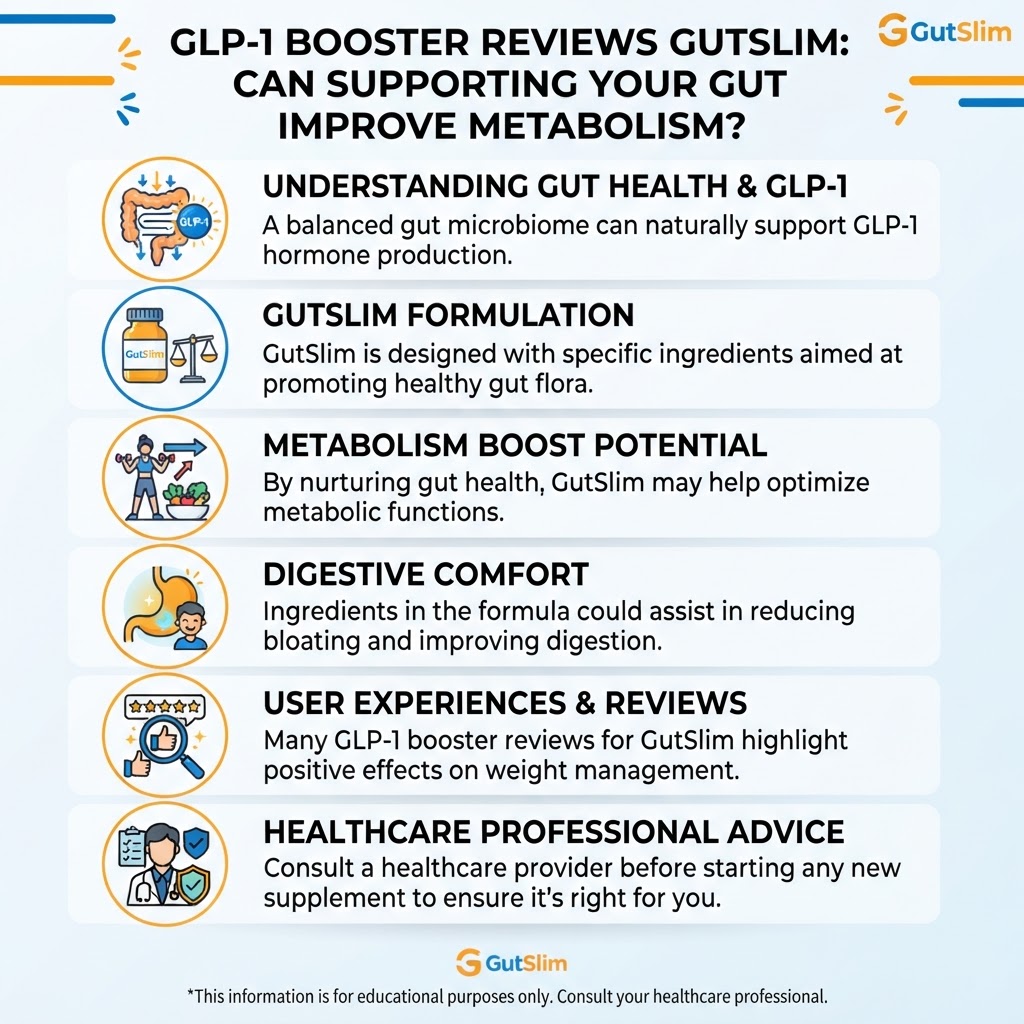
Infographic: glp-1 booster reviews gutslim
The Role of Inflammation in Metabolic Performance
Metabolic performance is often hindered by chronic, low-grade inflammation, which can stem from gut dysbiosis. When the gut lining is compromised, it may allow for the translocation of bacterial endotoxins into the bloodstream, triggering an immune response that disrupts insulin sensitivity and hormone production. Addressing this issue starts with calming the gut environment through proper nutrition and microbiome support. You can find detailed research on these biological interactions via the National Institutes of Health at https://www.ncbi.nlm.nih.gov/pmc/articles/PMC6405713/.
Identifying Silent Inflammation
Inflammation is not always accompanied by pain. Often, it manifests as brain fog, persistent fatigue, or unexplained fluctuations in hunger. These symptoms are your body's way of signaling that its internal balance is off-kilter. Recognizing these cues is the first step toward correcting the underlying issues.
Cooling the Inflammatory Fire
Anti-inflammatory foods, such as those rich in omega-3 fatty acids and polyphenols, are essential for soothing the digestive tract. Foods like wild-caught salmon, walnuts, and dark berries can help mitigate the effects of environmental stressors. By reducing the load of inflammatory markers, you help your body reclaim its natural ability to regulate hormones effectively.
Chronic low-grade inflammation, often triggered by increased intestinal permeability, is a key driver of metabolic dysregulation and reduced incretin hormone sensitivity in the gut. — Cani et al., 2019, Journal of Lipid Research
By focusing on cooling inflammation, you help create a stable environment where your gut can effectively communicate with your brain. This requires a multifaceted approach involving stress management, movement, and a diet rich in anti-inflammatory polyphenols. Many people find that as they address the root cause of their discomfort, their desire for unhealthy snacks naturally wanes, making it easier to maintain a balanced lifestyle without constant struggle.
Lifestyle Factors Beyond Supplementation
While reading Glp-1 booster reviews Gutslim, it is vital to acknowledge that supplements are intended to be a supporting pillar, not the entire structure. Lifestyle factors like sleep quality, physical activity, and stress management play a significant role in how your body manages weight. For example, poor sleep can drastically reduce your GLP-1 sensitivity the following day, leading to increased appetite. Integrating regular, moderate exercise is another way to promote a healthy gut, as mentioned in our resource on Discover the Powerful Impact of Exercise on Your Microbiome.
Sleep and Metabolic Rhythms
Your circadian rhythm influences nearly every hormone in your body, including those involved in hunger and fullness. When you do not get adequate rest, your body experiences elevated cortisol levels, which often correlates with a decrease in satiety signaling. Establishing a consistent sleep schedule acts as a regulator for your metabolic processes, allowing for better hormonal balance throughout the day.
Managing Stress to Protect the Gut
Stress is one of the most significant disruptors of gut health. When you are under chronic pressure, your body shunts blood flow away from the digestive system, which can impair nutrient absorption and alter microbial composition. Incorporating breathwork, meditation, or even a simple evening walk can act as an off-switch for the stress response, creating the necessary calm for your gut to thrive.
Furthermore, emotional and psychological stress can shift the composition of your gut bacteria, leading to a cascade of negative effects on your metabolism. Techniques such as mindfulness and adequate rest are just as important as the foods you eat. My advice is to view your health journey as an interconnected system where each piece contributes to your overall success. Always speak with your doctor before making significant changes to your health regimen, as they can provide personalized guidance based on your specific medical history and current health status.
Scientific Foundations of Gut-Centric Wellness
To better understand why modern science focuses so heavily on the gut, we must look at the gut-brain axis. This complex network allows the gut to influence our moods, energy levels, and even our weight-related hormone levels. Evidence suggests that targeted support, such as the use of specific probiotic strains, can enhance the body's natural production of satiety hormones. For further reading on the broader implications of these biological processes, you can reference the World Health Organization guidelines on healthy diets at https://www.who.int/news-room/fact-sheets/detail/healthy-diet.
Decoding the Gut-Brain Axis
The vagus nerve serves as the physical highway between your gut and your brain. Through this pathway, your gut microbiome communicates information about satiety and nutrient availability. When this communication is clear, your brain can make better decisions about when to stop eating. Supporting this axis is essential for anyone interested in long-term metabolic health.
Evidence-Based Decision Making
Science is constantly evolving, and keeping up with the research can be daunting. By relying on peer-reviewed data and verified probiotic strains, you can filter through the noise of wellness trends. Always prioritize products that share their clinical findings and transparently disclose their ingredients. Knowledgeable consumers make the most informed choices for their personal health paths.
When you select products to support your gut, look for those backed by science that prioritize the delivery of viable, effective strains. The goal is to provide your internal ecosystem with the resources it needs to function at its peak. By choosing evidence-based strategies, you reduce the reliance on guesswork and move toward a more predictable and sustainable path for your well-being. It is about empowering your biology to perform the tasks it was designed for, provided it has the right environment to do so.
Taking the First Step Toward Your Goals
If you are feeling overwhelmed by the amount of information available, start small. The simplest, most effective step you can take today is to add one serving of fiber-rich, prebiotic food to your dinner, such as artichokes, asparagus, or onions, to help feed your beneficial gut bacteria. Pair this with a gentle, 10-minute walk after your meal to aid digestion and help stabilize your blood sugar levels. These small, consistent actions contribute significantly to your long-term success. If you are ready to explore tools that support your metabolic health, visit the GutSlim range to see how our targeted probiotics can assist you.
Creating a Sustainable Routine
Transformation does not happen because of a single radical change, but through the accumulation of small, healthy habits. Consider tracking your progress in a journal, noting not just weight but energy levels and cravings. This provides valuable feedback that helps you refine your approach over time. Sustainable health is a journey of discovery and optimization.
Committing to Long-Term Wellness
Remember, sustainable change is a marathon, not a sprint, and every positive choice you make is a win for your long-term health. Please also feel free to subscribe to our newsletter for regular science-based tips on managing your gut health. By staying engaged and continuing to educate yourself, you remain in the driver's seat of your own metabolic wellness journey. Stay consistent, stay patient, and listen to the signals your body provides.
Dr. Chomba Chuma
MD & Founder, GutSlim
Dr. Chomba Chuma is a medical doctor and gut health specialist with over a decade of clinical experience. As founder of GutSlim, she is on a mission to help people transform their health through the power of the gut microbiome.
Get gut-smart, one email at a time.
Science made simple, practical tips and member-only offers from GutSlim. No spam, unsubscribe anytime.
Related Articles

Ready to transform your gut health?
Take the free 2-minute Gut Archetype Quiz and discover your personalised protocol.
Take the Free Quiz →