
Why Fibre Matters for Weight Loss and Sustainable Metabolic Health
Dr. Chomba Chuma
MD & Founder, GutSlim
Discover why fibre matters for weight loss, from appetite control to gut hormone support. Read our expert guide to start your metabolic wellness journey today.
Why Fibre Matters for Weight Loss and Sustainable Metabolic Health
When we talk about sustainable weight management, the conversation often shifts toward complex hormonal pathways and sophisticated supplements. Yet, one of the most fundamental tools at your disposal is something remarkably simple: dietary fibre. As a medical doctor focusing on metabolic wellness, I frequently observe that individuals struggling with weight plateau have overlooked the foundational role of this essential nutrient. Fibre is not merely a digestive aid, but a primary regulator of the metabolic environment, influencing how we store fat and how we perceive hunger. Understanding why fibre matters for weight loss requires looking beyond calorie counting and into the microscopic world of the gut microbiome, which dictates so much of our daily energy balance and physiological health.
The Physiological Mechanisms of Fibre in Appetite Regulation
Fibre operates through several sophisticated mechanisms to influence satiety. When you consume viscous or soluble fibre, it absorbs water within the digestive tract, creating a gel-like consistency. This gel slows down the rate at which food leaves the stomach, a process known as gastric emptying. By slowing this transit time, your body experiences a more gradual rise in blood glucose levels, preventing the dramatic insulin spikes that often lead to energy crashes and subsequent sugar cravings. You can learn more about how managing these spikes influences your overall health by exploring our guide on how to stop sugar cravings naturally.
The Physical Impact of Gastric Distension
Beyond the chemical slowing of digestion, the bulk created by fibre helps physically fill the stomach. This physical distension is detected by stretch receptors in the stomach wall, which send immediate signals to the brain to indicate fullness. By choosing high-fibre foods like carrots, cucumbers, or whole grains, you satisfy your hunger with fewer overall calories. This creates a natural caloric deficit without the psychological stress of food restriction.
Hormonal Signaling and the Gut-Brain Axis
Beyond simple physical volume, fibre acts as a critical signal to the gut-brain axis. As fibre ferments in the large intestine, it stimulates the release of key satiety hormones, including Peptide YY and GLP-1. These hormones communicate directly with the brain to signal that the body has received sufficient nutrients, which helps to naturally suppress appetite. This biological feedback loop is essential for those seeking to manage their weight without the constant struggle of willpower against intense hunger signals. Research continues to support the profound impact of these dietary components on long-term metabolic stability.
Higher intake of dietary fibre is significantly associated with lower body weight and improved metabolic markers, primarily through the modulation of postprandial glucose and the stimulation of endogenous satiety hormones. — Anderson et al., 2009, Nutrition Reviews
How Fibre Influences Your Microbiome and Metabolic Output
Your gut bacteria rely on fibre as their primary fuel source. This is why fibre matters for weight loss; it nourishes the beneficial microbes that keep your metabolic processes running efficiently. When gut bacteria break down fermentable fibres, they produce short-chain fatty acids like butyrate, acetate, and propionate. These compounds have been shown in numerous studies to influence fat storage and insulin sensitivity, effectively serving as messengers that keep your metabolic house in order. A diverse, fibre-fed microbiome is fundamentally linked to a more efficient metabolism.
Understanding Short-Chain Fatty Acids (SCFAs)
When beneficial bacteria consume fibre, they create metabolites known as SCFAs. These compounds travel through the bloodstream and impact tissues far beyond the gut, including the liver and adipose tissue. For example, butyrate is known to support the integrity of the gut barrier, reducing the entry of inflammatory particles into the bloodstream. By fostering a diverse colony of bacteria, you are creating a secondary metabolic engine that supports your wellness goals.
The Dangers of "Microbial Starvation"
When we lack sufficient fibre, our gut bacteria may begin to graze on the protective mucus lining of the colon, which can lead to inflammation and systemic issues. Chronic, low-grade inflammation often complicates weight management, as it disrupts hormonal signaling pathways throughout the body. By prioritizing prebiotic-rich foods, you are essentially providing the building blocks necessary to maintain a healthy intestinal barrier. You can find detailed insights into the link between gut inflammation and systemic balance in our article on identifying and healing 5 signs of gut inflammation.
Fibre, Insulin Sensitivity, and Blood Glucose Control
Stable blood glucose is a prerequisite for effective weight management. When your blood sugar fluctuates wildly, your body enters a cycle of fat storage rather than fat utilization. Fibre functions as a physiological buffer, dampening the absorption of carbohydrates and ensuring that glucose enters the bloodstream at a manageable rate. This consistency prevents the frequent, excessive insulin release that often drives adipose tissue accumulation, particularly in the abdominal area.
Mitigating Glycemic Variability
Every time you eat a refined carbohydrate without accompanying fibre, you risk a rapid spike in glucose. This spike forces the pancreas to release large amounts of insulin, a hormone that promotes the storage of energy as fat. Conversely, fiber acts as a matrix that traps sugars, releasing them into the bloodstream slowly over several hours. By choosing a bowl of steel-cut oats over instant sugar-laden packets, you maintain stable energy levels throughout the morning.
Structural Integrity of the Diet
It is important to view fibre not as an isolated supplement but as a structural component of your entire dietary intake. Incorporating whole, unprocessed plants ensures that you receive a variety of fibre types, each providing unique benefits to your metabolic health. For those interested in the underlying science, the National Institutes of Health provides extensive literature on the role of carbohydrates and fibre in metabolic regulation at https://www.nci.nih.gov/. By stabilizing your internal environment, you provide your body with the stability it needs to prioritize fat metabolism over fat storage.
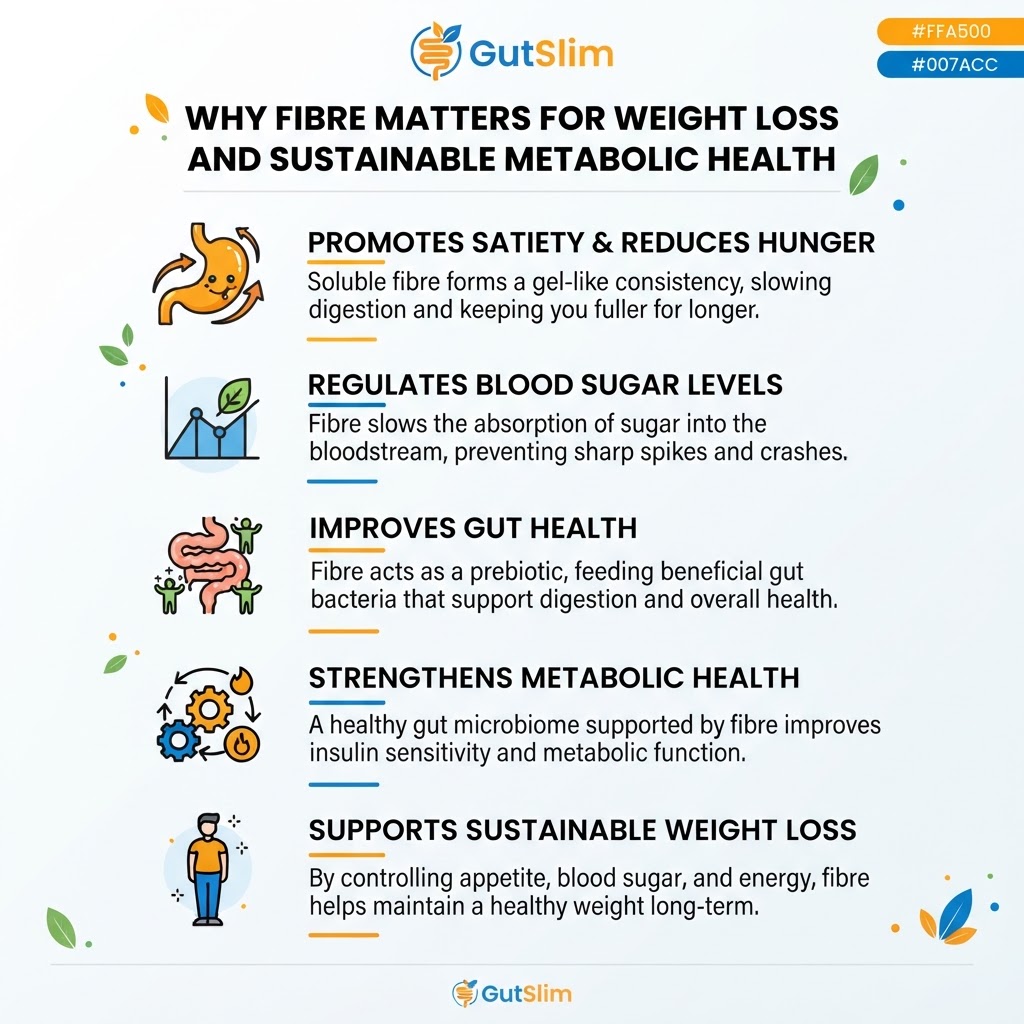
Infographic: why fibre matters for weight loss
The Link Between Fibre and Sustainable GLP-1 Production
Our current understanding of the gut-hormone revolution highlights GLP-1 as a critical player in metabolic health. While many associate GLP-1 solely with pharmaceutical interventions, the body is capable of supporting its own production through proper dietary habits, particularly through the intake of specific fibres. Certain types of fermentable fibre, such as those found in legumes, oats, and certain vegetables, are particularly effective at encouraging the L-cells in the gut to synthesize this essential hormone. This natural support system is a cornerstone of the GutSlim philosophy.
How L-Cells Respond to Fibre
The L-cells located in the distal ileum and colon are sensitive to the presence of fermentation products. When you consume adequate fibre, you increase the concentration of these products in the gut, which triggers the L-cells to release GLP-1. This hormone effectively slows digestion and communicates with the brain to reduce appetite. It is a brilliant, innate biological system that we can optimize simply through informed food choices.
Dietary fibre, particularly from whole plant sources, acts as a prebiotic substrate that fosters a microbial environment conducive to the natural upregulation of GLP-1 and other anorexigenic hormones. — Harvard Health Publishing, 2022
Developing Internal Resilience
Supporting this natural process is a gentle, sustainable way to manage appetite. Rather than relying on external, temporary fixes, you are fostering an internal ecosystem that works for you. You can discover more about these pathways in our comprehensive analysis of natural ways to increase GLP-1 hormone for appetite control and weight management. When you view fibre as a tool to enhance your body's innate capabilities, the approach to weight management becomes significantly more effective.
Common Misconceptions About Fibre and Bloating
Many individuals are hesitant to increase their fibre intake due to fears of bloating or digestive discomfort. This concern is valid, yet it often stems from increasing fibre too quickly rather than the fibre itself. When you introduce fibre, you are also shifting your microbiome, and those bacteria require time to adapt to their new fuel source. A slow, consistent increase allows your digestive system to process these new materials without overwhelming your gut environment.
Strategies for Digestive Comfort
If you find that high-fibre foods cause discomfort, do not abandon the effort. Instead, scale back your intake slightly and focus on increasing your water consumption alongside the fibre. Digestive enzymes may also provide temporary assistance as your body adjusts to the increased plant matter. Consistency is far more important than intensity when it comes to long-term gut health.
The Role of Gradual Introduction
It is also helpful to pair high-fibre foods with adequate hydration. Water is necessary for soluble fibre to form its gel-like structure, which facilitates proper digestion. If you are struggling with discomfort, consider tracking your intake and introducing new plant-based foods gradually over several weeks. This steady approach supports long-term adherence and helps you realize why fibre matters for weight loss without unnecessary side effects. For those seeking extra support during this transition, consider the GutSlim Probiotics GLP-1 Booster to help nurture your microbiome during your wellness journey.
Practical Strategies for Increasing Daily Fibre Intake
Integrating more fibre into your diet does not require radical changes or expensive, complicated meal plans. The most successful approach is one of addition rather than subtraction. By adding one or two servings of high-fibre foods to every meal, you naturally displace less nutrient-dense options. Legumes, chia seeds, flaxseeds, and cruciferous vegetables are excellent, versatile options that integrate easily into most dietary patterns. Scientific data on the requirements for dietary fibre and its role in chronic condition management can be reviewed at https://www.who.int/.
Maximizing Nutrient Density
Focusing on whole foods ensures you get both soluble and insoluble fibre, both of which serve different roles. Soluble fibre dissolves in water to form a gel, while insoluble fibre adds bulk to the stool and helps food pass more quickly through the stomach and intestines. Combining these types in a single meal—such as adding flaxseeds to a leafy green salad—provides a balanced approach to digestive health. Always try to prioritize plant-based sources over processed supplements whenever possible.
Daily Action Habits
Consider adopting these simple habits to boost your daily intake:
- Start your day with a high-fibre grain such as steel-cut oats or quinoa.
- Include a side of leafy greens or steamed broccoli with your main evening meal.
- Replace refined snacks with whole fruits like pears or berries, which provide both fibre and hydration.
- Incorporate fermented foods like sauerkraut into your lunch to add both fibre and beneficial bacteria to your system.
A First Step Toward Metabolic Success
If you are ready to see why fibre matters for weight loss firsthand, start with the simplest action you can take today. Add one cup of cooked lentils or a serving of chia seeds to your lunch, and ensure you drink an extra glass of water alongside it. This small change supports your gut bacteria, stabilizes your blood sugar, and provides your satiety hormones with the signals they need to function correctly. Remember that sustainable metabolic management is a marathon, not a sprint, and every fibre-rich choice you make contributes to a healthier, more balanced system.
To continue your journey toward better metabolic health, explore our full range of gut-supporting tools at https://www.velobiotics.com/collections/gutslim. We invite you to subscribe to our newsletter for regular, science-backed updates on optimizing your gut health and metabolic wellness. Please consult with your healthcare professional before making significant changes to your diet, especially if you have existing medical conditions or concerns.
Dr. Chomba Chuma
MD & Founder, GutSlim
Dr. Chomba Chuma is a medical doctor and gut health specialist with over a decade of clinical experience. As founder of GutSlim, she is on a mission to help people transform their health through the power of the gut microbiome.
Get gut-smart, one email at a time.
Science made simple, practical tips and member-only offers from GutSlim. No spam, unsubscribe anytime.
Related Articles
Ready to transform your gut health?
Take the free 2-minute Gut Archetype Quiz and discover your personalised protocol.
Take the Free Quiz →